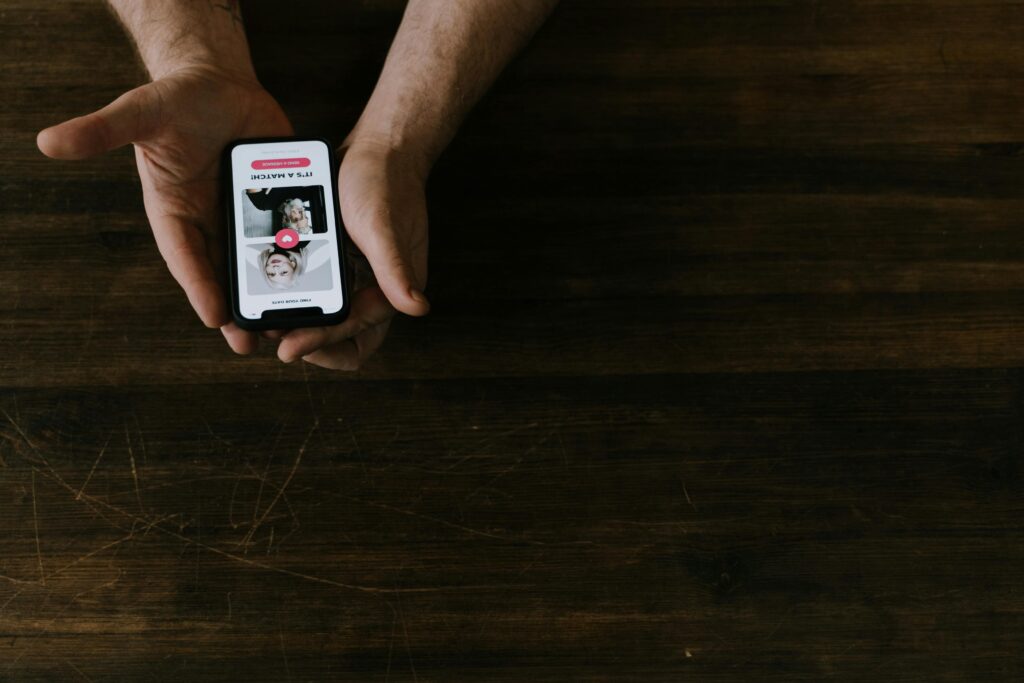
Online dating has fundamentally changed how people meet romantic partners. What once carried a quiet stigma is now the most common way couples find each other — with studies suggesting that over 30% of recent marriages in many countries began online. Apps like Tinder, Bumble, Hinge, and OkCupid have made meeting new people more accessible than ever before.
But accessible does not mean easy. Many people swipe endlessly, match sporadically, and go on a stream of disappointing first dates without ever finding what they are actually looking for. The problem is rarely the platform — it is usually the approach.
This guide gives you honest, practical advice on how to use online dating effectively: from building a profile that attracts the right people, to navigating conversations, to protecting your emotional wellbeing through the process.
Part 1: Building a Profile That Works
1. Your Photos Are Everything — Choose Them Wisely
In a medium built primarily on visual first impressions, your photos are your most important tool. Here is what actually works:
Use recent, accurate photos. Using photos from five years ago — or heavily filtered images that no longer look like you — sets up a mismatch when you meet in person. The best first dates are ones where both people are pleasantly surprised; the worst are ones where someone feels deceived.
Lead with a clear, warm, smiling photo of your face. No sunglasses, no group shots (where your match has to guess who you are), no overly posed gym selfies. A natural, well-lit photo where you look happy and approachable is consistently the highest-performing first image.
Show your life in subsequent photos. Include images that reflect who you actually are — doing something you love, in a place that matters to you, with people you care about (just make sure it is clear which person is you). These photos give a potential match genuine insight into your personality and invite conversation.
Avoid: photos where you look unhappy or serious in every image; group photos where you are hard to identify; overly staged or professionally “perfect” shots that feel cold and impersonal.
2. Write a Bio That Sounds Like You
Most dating bios fall into one of two traps: they are either painfully generic (“I love to laugh, travel, and try new food”) or they try so hard to be funny or unique that they feel performative. Neither attracts the right match.
Your bio should do three things:
Give a genuine glimpse of your personality. Not a résumé of your achievements or a list of adjectives, but something that reveals how you think or what you care about. One or two specific details beat ten generic statements.
Show what you are actually looking for. You do not have to be exhaustive, but a sentence about what kind of connection you are hoping to build filters out mismatches before you waste each other’s time.
Invite conversation. End with something that gives a potential match a clear, natural hook to respond to — a question, an interesting statement, or a playful challenge.
Example of a weak bio: “Easy-going guy who loves travel, food, and good company. Looking for someone to laugh with.”
Example of a stronger bio: “I spend my weekends either hiking trails I’ve never tried before or cooking elaborate meals that take twice as long as they should. Currently debating whether Lagos or Cape Town has better jollof rice. I’m looking for something real — someone who can hold a proper conversation and isn’t afraid of a little adventure.”
3. Be Honest About What You Are Looking For
One of the most common online dating mistakes is vagueness about intentions. Being unclear about whether you want something casual or a committed relationship wastes time for both parties and leads to painful mismatches down the line.
Be honest in your profile about the kind of connection you are actually seeking. People who are looking for the same thing will respond. Those who are not will self-select out — which is exactly what you want.
Part 2: Navigating Conversations
4. Send a Message That Actually References Their Profile
The single most effective way to stand out in someone’s inbox is simple: read their profile and say something specific about it. Most people send generic openers (“Hey,” “How’s your week going?”) that are immediately forgettable.
A message that references something specific in their profile — their hiking photos, a book they mentioned, an opinion they expressed — communicates that you actually paid attention. This is attractive and instantly differentiates you from dozens of identical openers.
Example: “Your note about the Cape Town vs Lagos jollof debate actually made me stop scrolling. I have strong opinions on this and I think you’re wrong — but I’d love to hear your case.”
5. Move the Conversation Off the App Relatively Quickly
Long, lingering app conversations that never lead anywhere are one of the most common frustrations of online dating. Chemistry is extremely difficult to assess through text alone — you need to actually meet, or at minimum speak on the phone or video call, to have any real sense of whether there is a genuine connection.
Once a conversation has a comfortable rhythm and mutual interest seems genuine, suggest moving things forward: “I’d love to actually talk rather than just text — would you be up for a call sometime this week?” or “I think we should grab coffee and see if this is as fun in person as it is on here.”
For tips on how to keep the texting exciting before the first date, read [Texting Your Crush].
6. Watch for Consistency Between Profile and Conversation
Pay attention to how someone’s conversation style aligns with what they presented in their profile. Someone who described themselves as kind, emotionally available, and serious about commitment but who consistently makes the conversation sexual too quickly, dismisses your boundaries, or gives evasive answers about what they are looking for is showing you something important.
Trust what you observe, not just what attracted you to their profile in the first place.
Part 3: Managing the Experience
7. Do Not Treat Online Dating as Your Entire Social Life
One of the easiest traps in online dating is becoming so immersed in swiping and matching that it begins to feel like a second job — or worse, a primary source of emotional validation. This is exhausting and leads to poor decision-making (like pursuing connections that are clearly wrong simply because you have invested time in them).
Online dating should be one part of a full life — not the center of it. Continue investing in your friendships, your career, your personal interests. People who have rich, full lives are more attractive online and in person — and are less likely to settle for the wrong match out of loneliness or fatigue.
8. Trust Your Safety Instincts
Online dating has risks that in-person meeting does not. Before meeting someone in person:
- Video call first — it confirms the person is who they claim to be and gives you a genuine sense of their energy
- Meet in a public place for the first one or two dates
- Tell a friend where you are going and who you are meeting
- Trust your gut — if something feels off at any point in the interaction, it probably is
Do not talk yourself out of a safety concern because you find someone attractive or because you feel you have invested time in the connection.
9. Manage Rejection Without Taking It Personally
Online dating involves a high volume of low-investment interactions — and therefore a high volume of rejection, in both directions. A match that seemed promising stops responding. Someone you were excited about declines to meet in person. A first date goes nowhere.
None of this is personal — and treating it as personal is one of the fastest routes to emotional exhaustion and cynicism about dating altogether.
Rejection in online dating is almost never about you being fundamentally unlovable or flawed. It is about compatibility, timing, what someone else is looking for at a specific moment. The match rate on dating apps, even for highly attractive and compelling profiles, is a small fraction of total swipes. This is not discouragement — it is the nature of the medium.
10. Know When to Take a Break
Online dating fatigue is real. If you find yourself swiping mechanically without genuine interest, feeling more anxious and depleted after time on the apps than energized, or becoming increasingly cynical about whether the right person exists — take a break.
Stepping away for a few weeks to invest in other areas of your life is not giving up. It is protecting your emotional wellbeing and resetting your perspective. Many people find that returning to dating after a break brings fresh energy and clarity about what they are looking for.
Online dating, used intentionally, is a genuinely powerful tool for meeting compatible people you would never have crossed paths with otherwise. The key is using it as one avenue of connection — not a game, not a validation mechanism, and not a replacement for the rest of your social life.
Be authentic. Be specific. Be patient. And when things start moving with someone promising, be willing to invest in the real-world connection that no app can build for you.
For guidance on what comes next, read [First Date Tips] and [Signs Someone Likes You]. And for a deeper look at becoming the person who attracts the right partner, read [How to Attract the Right Partner to Love You].